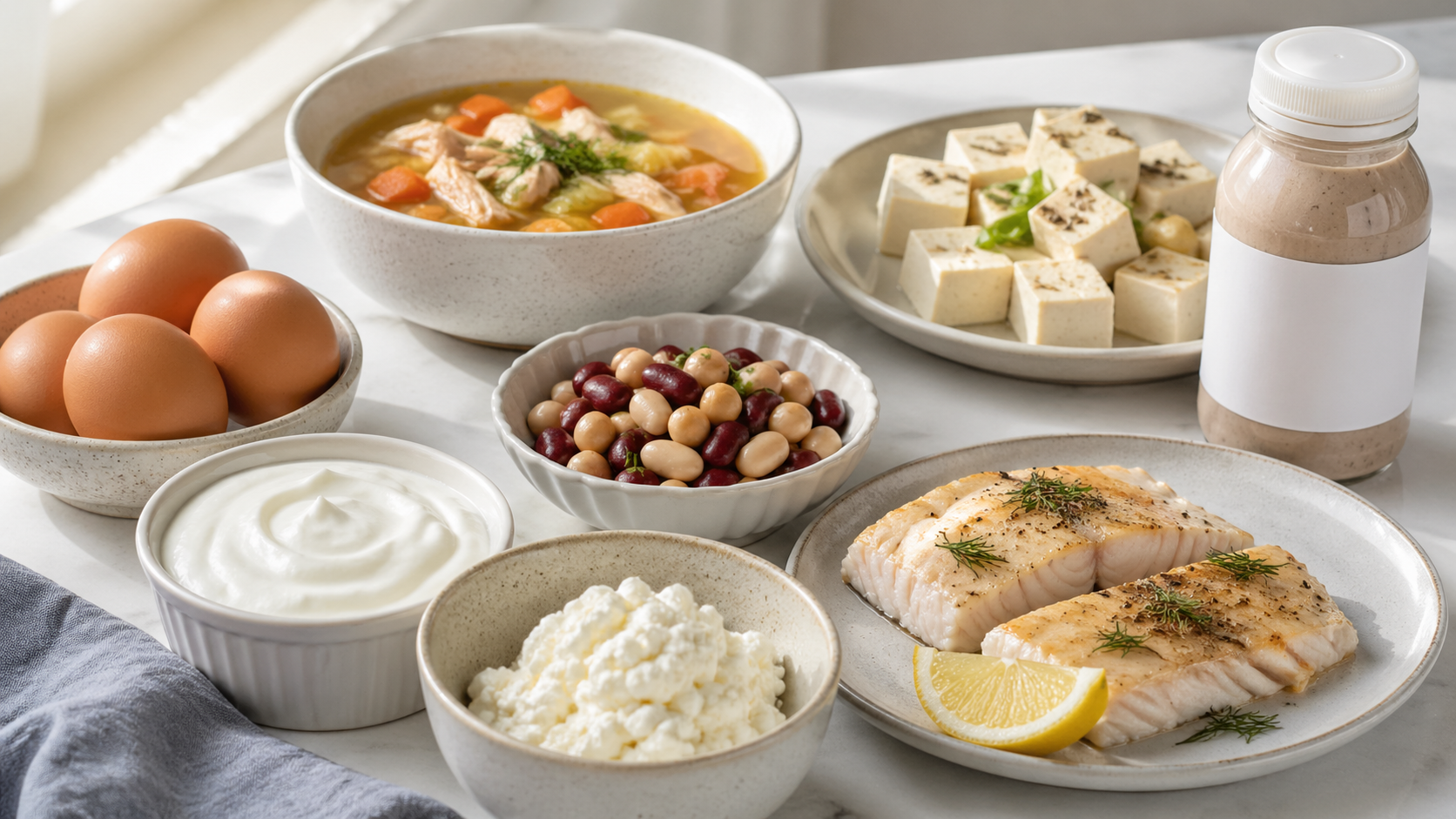
Protein matters during cancer treatment because it helps support muscle, healing, and day-to-day strength. The difficulty is that protein-rich foods are often the hardest foods to manage when appetite is low or taste and texture are off.
The best high-protein food is not necessarily the one with the biggest number on paper. It is the one you can tolerate, prepare, and repeat often enough to make a difference across the day.
This article is for general information. If you are losing weight or muscle, ask for earlier dietitian input rather than trying to solve it only by willpower.
Why this matters during treatment
When you are eating less overall, protein often falls first. Dry meats, strong smells, chewing fatigue, mouth soreness, nausea, and early fullness can all make usual protein foods less appealing.
That is why easier textures often matter more than perfect meal structure. Soft, cool, bland, and ready-to-eat options can be much more realistic than a traditional large protein meal.
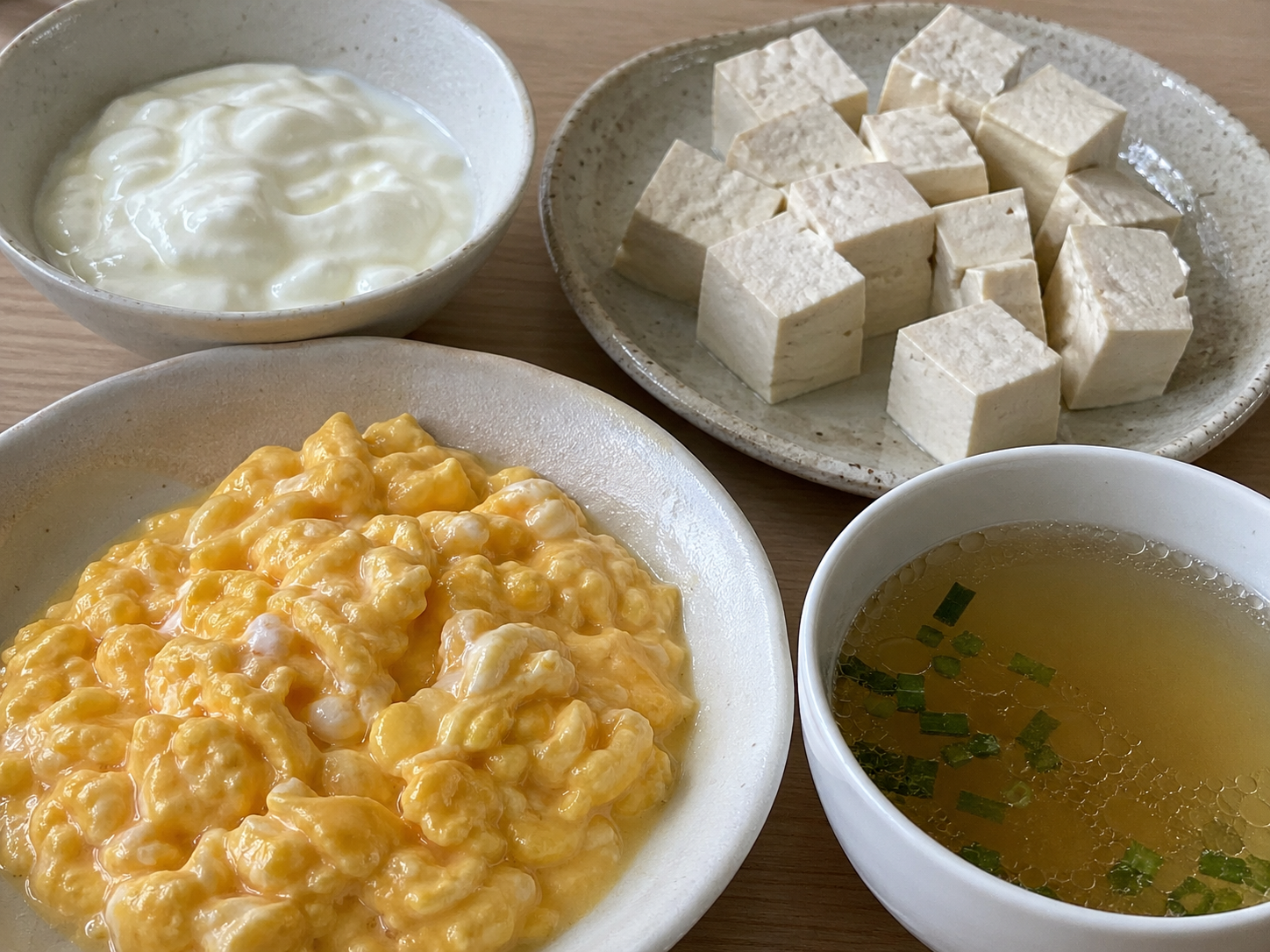
AI-generated image created with ChatGPT / OpenAI DALL·E. For illustrative purposes only.
What often helps in practice
Small, repeatable protein choices usually work better than waiting for one ideal meal.
- Use eggs, Greek yogurt, cottage cheese, soft fish, tofu, milk-based drinks, or nut butters if they feel easier than meat.
- Eat protein first when you do sit down to a meal.
- Add protein to foods you already tolerate, such as yogurt in smoothies or milk powder in soups and porridges.
- Use snacks as protein opportunities instead of relying only on main meals.
- Switch temperature and texture if taste changes are making usual foods unpleasant.
During treatment, enough protein often comes from several small wins across the day rather than one perfect high-protein meal.
What can make it harder or deserves extra caution
Dry, chewy, or strongly smelling protein foods can become difficult quickly if you have nausea, mouth pain, or fatigue. Beans, dairy, or richer shakes may also need adjustment if diarrhoea, bloating, or reflux are active problems.
If normal food is not enough, that does not mean you have failed. It may simply mean you need softer foods, fortified drinks, or a more symptom-matched plan.
When to ask for more support
Ask for earlier review if you are losing weight or muscle, avoiding most protein foods, or if taste changes, sore mouth, diarrhoea, swallowing issues, or early fullness are making protein intake unrealistic.
Frequently asked questions
Protein foods are often more filling, more effortful to chew, and more affected by taste or smell changes than lighter foods.
Lean on easier protein foods and eat them early in the meal, before fullness or nausea build.
No. Eggs, dairy, tofu, fish, legumes, nut butters, and fortified drinks can all help, depending on what you tolerate.
Ask sooner if weight or muscle is dropping, you can only manage tiny amounts, or symptoms are cutting out most of your usual protein choices.