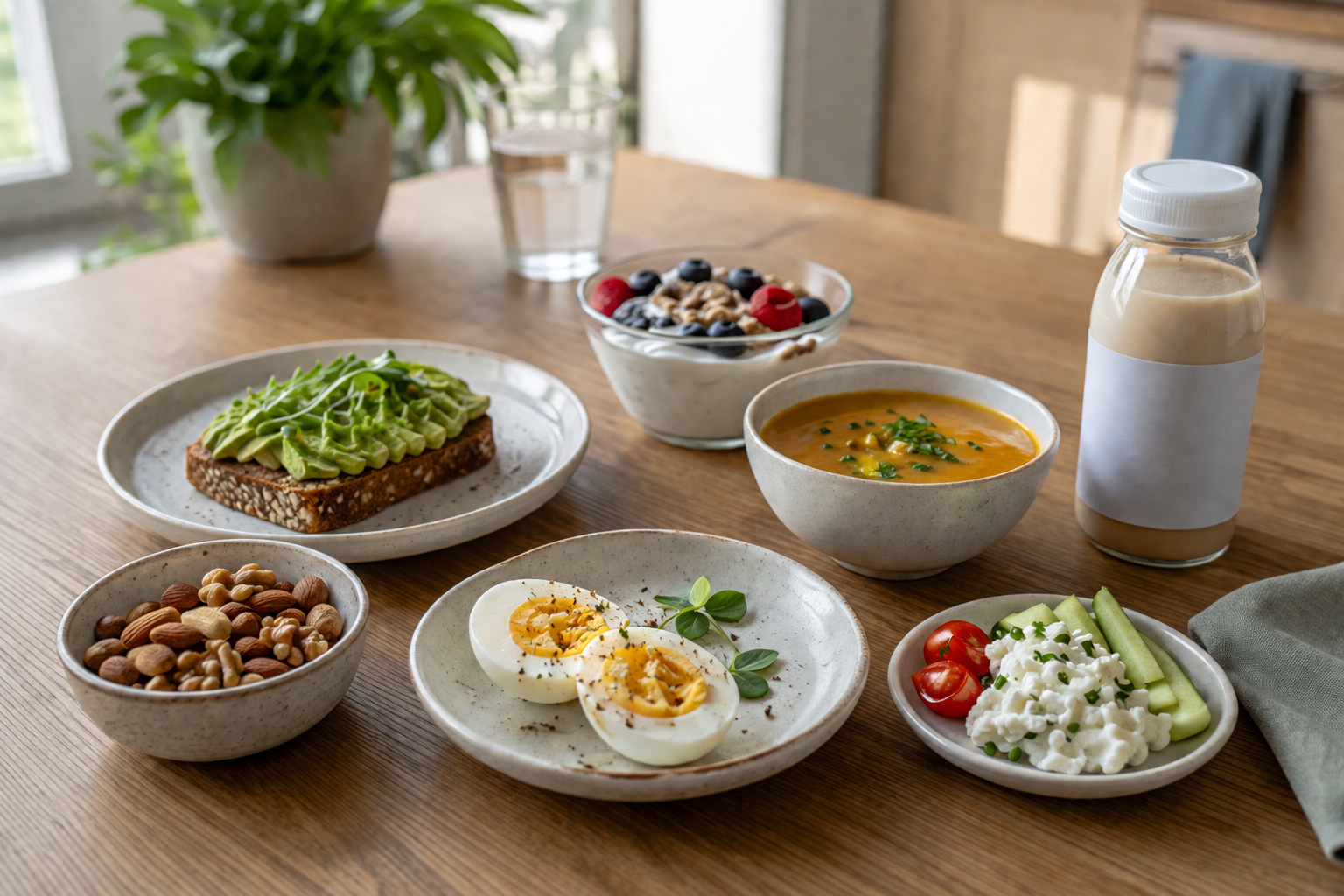
Feeling full after only a few bites can quietly reduce your total intake over the whole day. During cancer treatment, that matters because even mild early fullness can make it harder to keep up with calories, protein, and fluids.
Early satiety is not just about appetite. It can happen alongside nausea, constipation, bloating, reflux, taste changes, pain, anxiety, or changes in how quickly the stomach empties. The most useful plan is usually the one that helps you eat enough without making symptoms worse.
This article is for general information. It does not replace advice from your oncology team. If you are losing weight, vomiting, or struggling to eat even small amounts, ask for earlier review.
Why this matters during treatment
When fullness arrives too early, people often stop meals before they have had enough energy or protein. That can lead to a pattern of grazing without really meeting intake needs, especially if drinks, soups, or tea are filling you up before food does.
Treatment can also create a cycle: nausea or bloating makes you eat less, lower intake slows the routine of eating, and then the next meal feels difficult even sooner. Breaking that cycle early is often easier than trying to recover after days of poor intake.
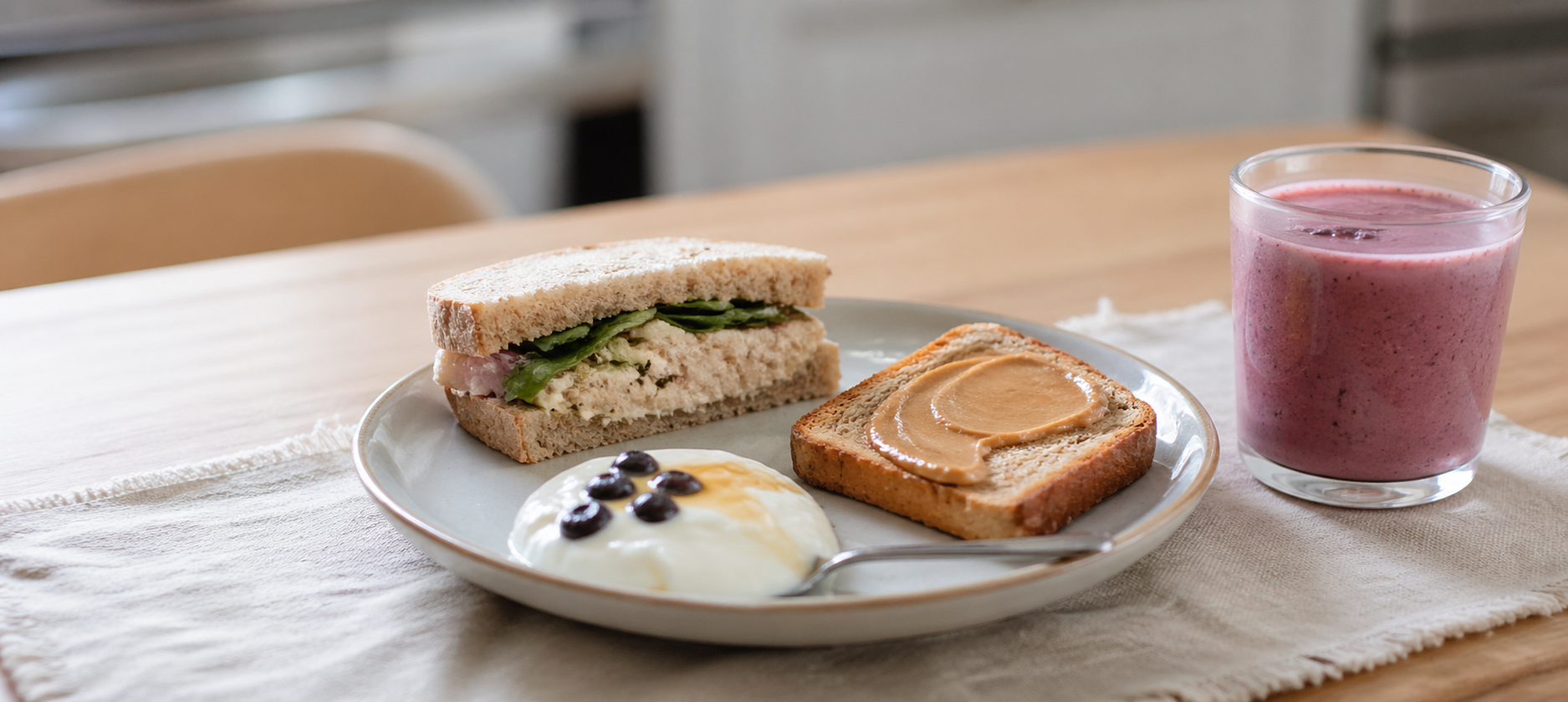
AI-generated image created with ChatGPT / OpenAI DALL·E. For illustrative purposes only.
What often helps in practice
Most people do better with a lighter, more frequent approach rather than trying to force three normal meals.
- Eat small meals or snacks every 2 to 3 hours instead of waiting to feel very hungry.
- Start with the foods that give the most back, especially protein- and calorie-dense foods.
- Drink most fluids between meals rather than with meals, so liquid does not replace food.
- Use soups, smoothies, yogurt, or supplement drinks when solid food feels too demanding.
- Keep easy foods ready to eat so the effort of cooking does not become another barrier.
With early satiety, protecting total intake across the day usually matters more than trying to finish a normal-sized plate at one sitting.
What can make it harder or deserves extra caution
Some habits accidentally make early satiety worse. Large drinks before meals, very bulky low-calorie foods, or trying to "save up" for one big meal can backfire. Constipation, worsening reflux, abdominal swelling, and uncontrolled nausea can also make fullness arrive much sooner.
If the problem is getting worse rather than better, it is worth checking whether another symptom is driving it. Sometimes the next step is not a new food strategy but better symptom control.
When to ask for more support
Ask your oncology team or dietitian for earlier support if you are losing weight, finishing only a few bites at most meals, vomiting, or struggling to keep up with fluids as well as food. Get faster review if you develop worsening abdominal pain, marked bloating or distension, trouble swallowing, or repeated vomiting after small amounts.
Frequently asked questions
Yes. Early satiety can happen during treatment because appetite, nausea, bowel habits, taste, reflux, and stomach comfort often change at the same time.
Use smaller meals more often and shift most fluids between meals. That usually protects intake better than trying to push through one large meal.
It deserves earlier review when it leads to weight loss, very low intake, vomiting, dehydration, worsening abdominal swelling or pain, or when you cannot manage medicines and meals normally.
Yes. A dietitian can help you shift to smaller, denser meals, pick easier textures, and decide when fortified foods or nutrition drinks may make sense.