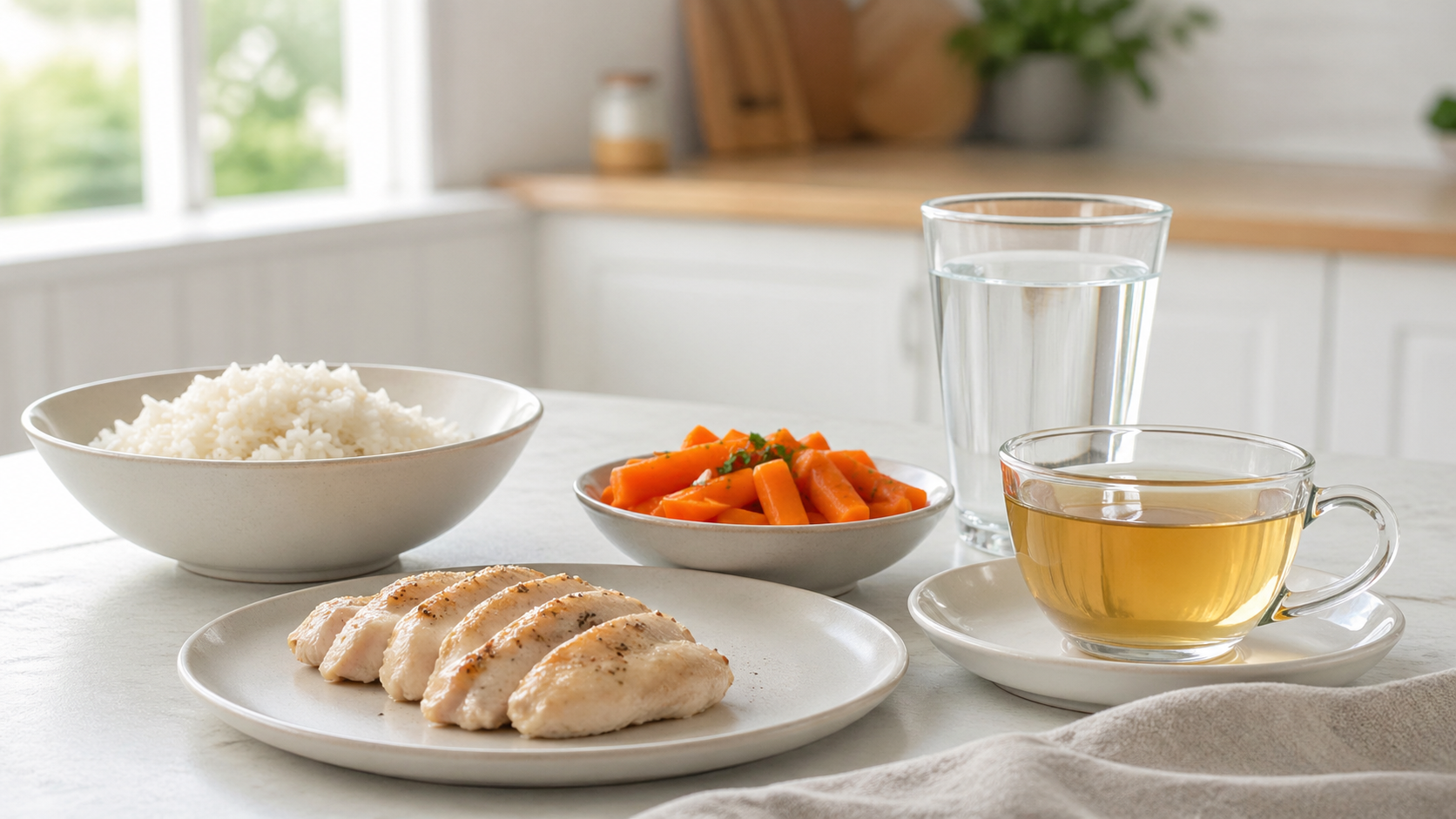
A practical guide to bloating and gas during cancer treatment, common triggers and what helps with a focus on lower-pressure eating, gut comfort, hydration, and when to involve your care team.
During treatment, the best next step is usually the one that lowers effort, protects hydration and protein intake, and makes symptoms easier to describe clearly to your care team.
This article is for general information. It does not replace advice from your oncology team. If symptoms change, become hard to manage, or are stopping you from eating or drinking, speak with a clinician promptly.
Why this matters during treatment
Bloating and gas can come from slowed bowel movement, constipation, swallowing air, fizzy drinks, antibiotics, changes in fibre, or the treatment itself.
The problem is not only discomfort. Bloating can make you stop eating earlier, drink less, or start avoiding foods that were otherwise helping you keep intake up.
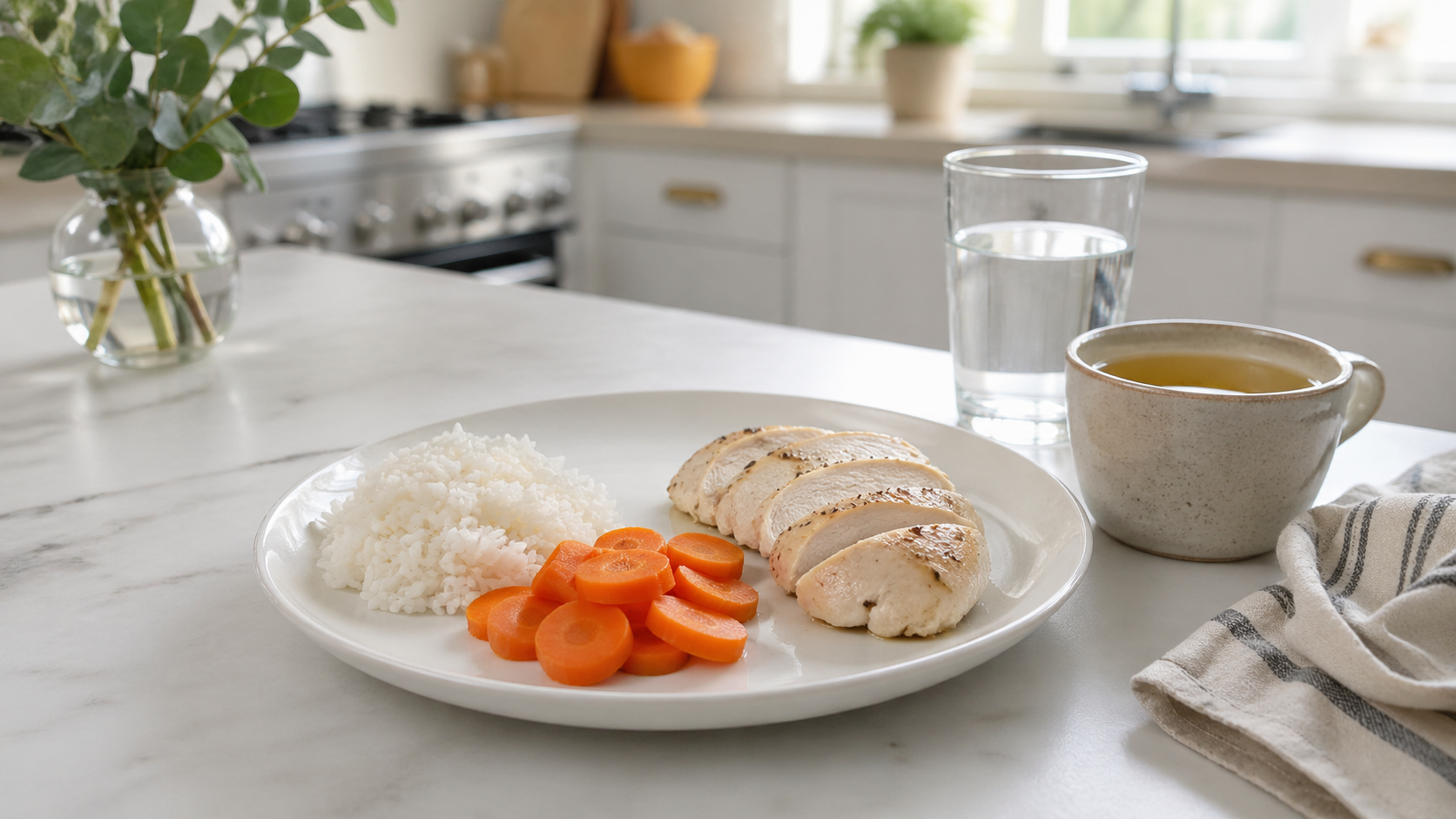
AI-generated image created with ChatGPT / OpenAI DALL·E. For illustrative purposes only.
What often helps in practice
Start with the simplest pattern checks before making your diet too restrictive.
- Look for obvious triggers first, such as fizzy drinks, rushed eating, very large meals, beans, onions, or particularly rich foods.
- Use smaller meals and slower eating to reduce both uncomfortable fullness and swallowed air.
- Check whether constipation is sitting underneath the bloating, because that is common during treatment.
- Keep fluids going and add gentle movement if you can, because a less sluggish gut is often more comfortable.
A less-irritating day is usually built from small pattern fixes, not a full elimination diet.
What can make it harder or deserves extra caution
Seek more review when bloating stops being mild and starts changing what you can eat, drink, or do.
- Rapidly increasing distension, pain, or vomiting.
- Inability to pass stool or gas, or constipation with worsening abdominal swelling.
- New persistent bloating with fever, diarrhoea, or clearly reduced intake.
When to ask for more support
You do not have to wait until bloating feels dramatic. Ask earlier when it keeps recurring, interferes with medicines, or makes you cut out more and more foods.
Bring clear examples such as when the bloating starts, whether constipation or diarrhoea is also present, and what foods or drinks seem to make it worse. That helps your team decide whether the issue is diet-related, medicine-related, or something that needs further assessment.
When extra support makes sense If bloating keeps recurring, intake is dropping, or you are restricting more and more foods without relief, ask for symptom review and dietitian input.
Frequently asked questions
Yes. Treatment, medicines, bowel changes, antibiotics, and eating pattern changes can all make bloating and gas more likely.
Not usually. First check meal size, fizzy drinks, constipation, and obvious triggers. A very restrictive diet can make intake worse if it is not addressing the real cause.
Often, yes. When stool is moving slowly, gas and fullness can build up and make the abdomen feel tight or uncomfortable.
Get prompt advice if you have severe pain, vomiting, inability to pass stool or gas, fever, or bloating that is rapidly worsening and clearly reducing intake.
Sources
- NCI: Nutrition in Cancer Care (PDQ®)
- NCI: Gastrointestinal Complications (PDQ®)
- Macmillan: Bladder and bowel problems during cancer treatment
- Cancer.Net: Chemotherapy Side Effects
Medical disclaimer: This article is for general informational purposes only. It does not constitute medical advice and is not a substitute for professional guidance from a qualified clinician. If you have questions about your own symptoms or treatment, speak with your oncology team or a registered dietitian.