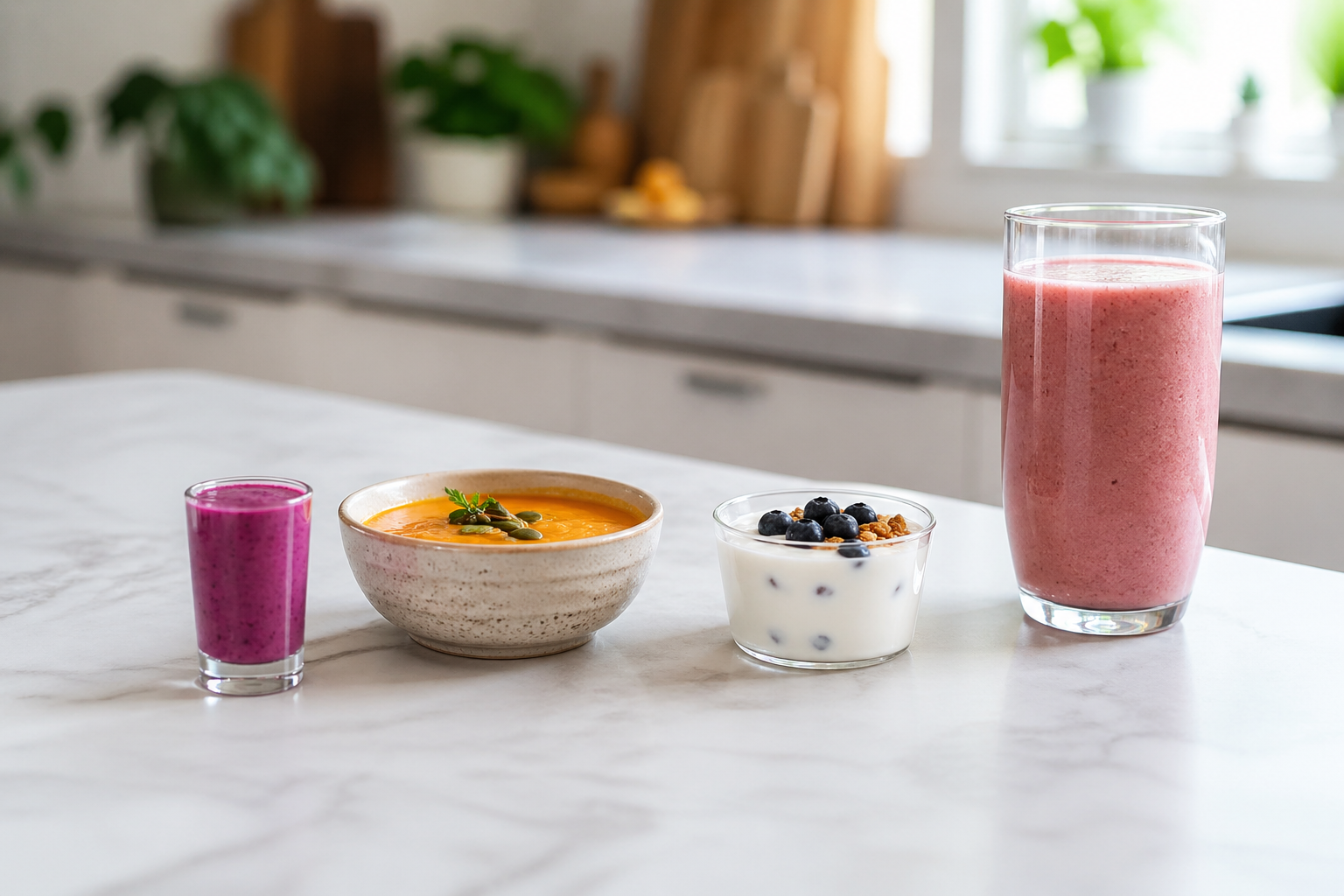
When appetite is low or swallowing feels tiring, even a standard nutrition drink can seem like too much. In those situations, volume becomes part of the symptom burden.
Small-volume nutrition is the practical idea that less total volume can sometimes make useful intake more realistic, especially when fullness, smell, fatigue, or swallowing effort are limiting factors.
This article is for general information. It does not replace advice from your oncology team. If symptoms change, become hard to manage, or are stopping you from eating or drinking, speak with a clinician promptly.
What small-volume nutrition means
Small-volume nutrition is not one brand or one diagnosis. It simply means getting meaningful nutritional support in a compact format that may be easier to finish.
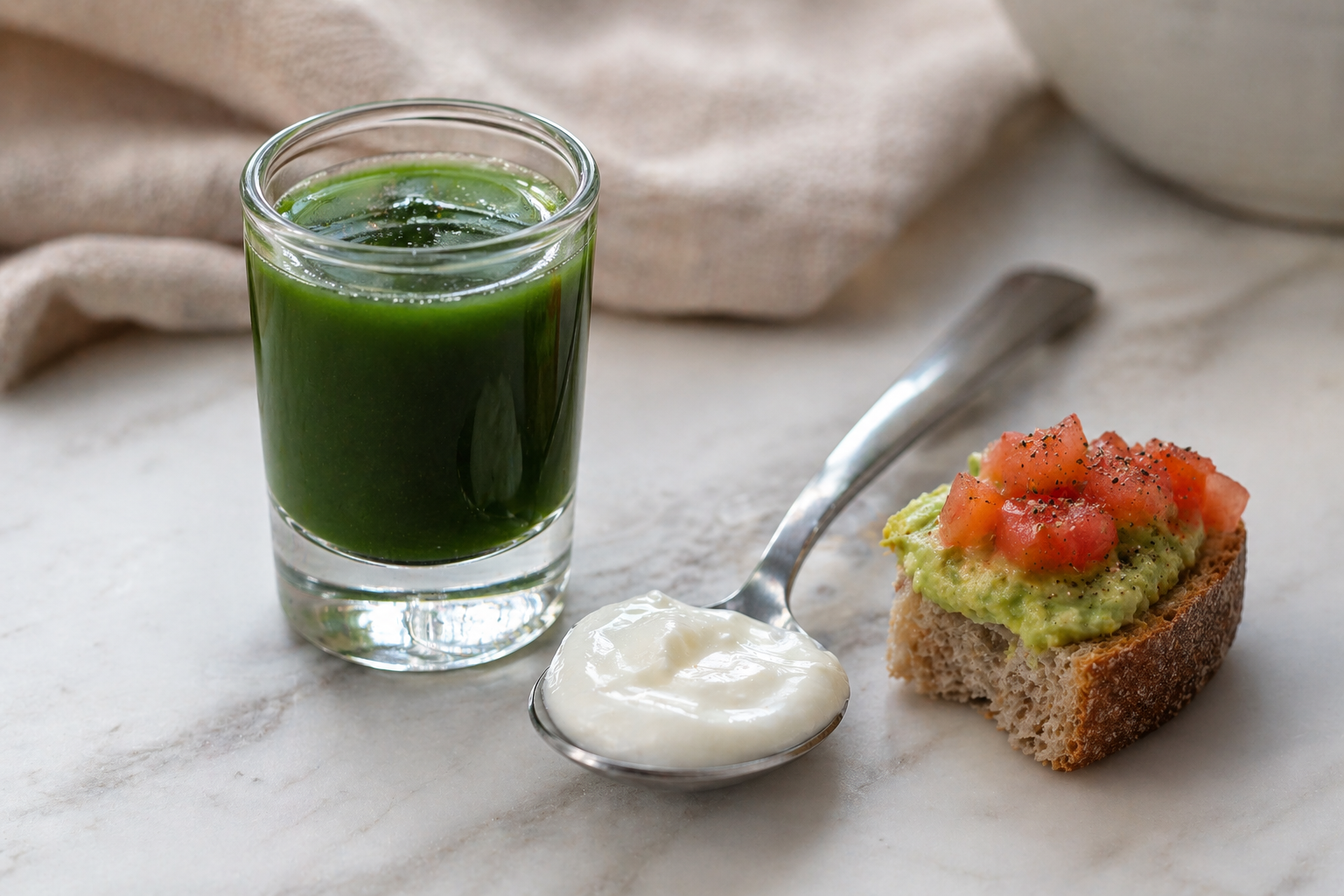
That might mean a concentrated sip feed, a smaller fortified drink, or a compact snack that gives more than its size suggests.
Why smaller formats can work better
When the barrier is not knowledge but capacity, smaller formats can reduce friction.
- Less volume can mean less fullness and less time spent trying to finish it.
- Smaller formats may be easier to fit between meals or appointments.
- They can reduce the psychological barrier of facing a large portion.
- They may feel more manageable when swallowing effort or smell sensitivity is a problem.
Sometimes the best support is not more food at once — it is less volume that a person can actually repeat.
Where people can misjudge it
Compact formats help only if they match the real barrier.
- A smaller product still needs enough calories or protein to justify the effort.
- If the main problem is taste, aftertaste, or nausea, smaller volume alone may not fix it.
- These tools usually work best as support, not as a reason to abandon all ordinary eating.
When to ask for a more tailored plan
Ask if low appetite, early fullness, or swallowing fatigue means you need a concentrated option instead of a standard drink or meal-based plan.
A dietitian can help decide whether the issue is volume, calorie density, protein density, flavor, texture, or all of these together.
Frequently asked questions
It means getting useful nutritional support in a more compact format that is easier to finish when capacity is low.
They often involve less fullness, less time, and less effort, which can matter when treatment side effects are active.
No. It can also help with poor appetite, early fullness, fatigue, smell sensitivity, or busy treatment days.
Usually no. It is usually best understood as a support tool rather than a complete substitute for ordinary eating.
Sources
- NCI: Weight Changes, Malnutrition, and Cancer
- NCI: Nutrition in Cancer Care (PDQ®)
- American Cancer Society: Nutrition for the Person Getting Cancer Treatment
Medical disclaimer: This article is for general informational purposes only. It does not constitute medical advice and is not a substitute for professional guidance from a qualified clinician. If you have questions about your own symptoms or treatment, speak with your oncology team or a registered dietitian.